The Pistachio Tree: A Cork Oak Shaped Like Flight
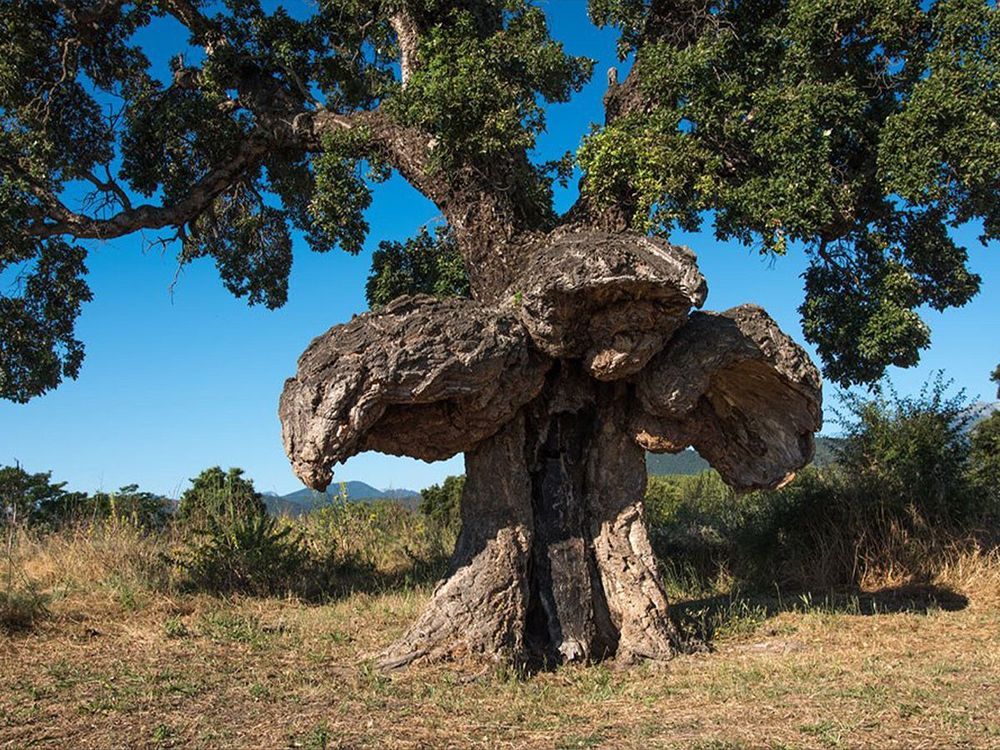
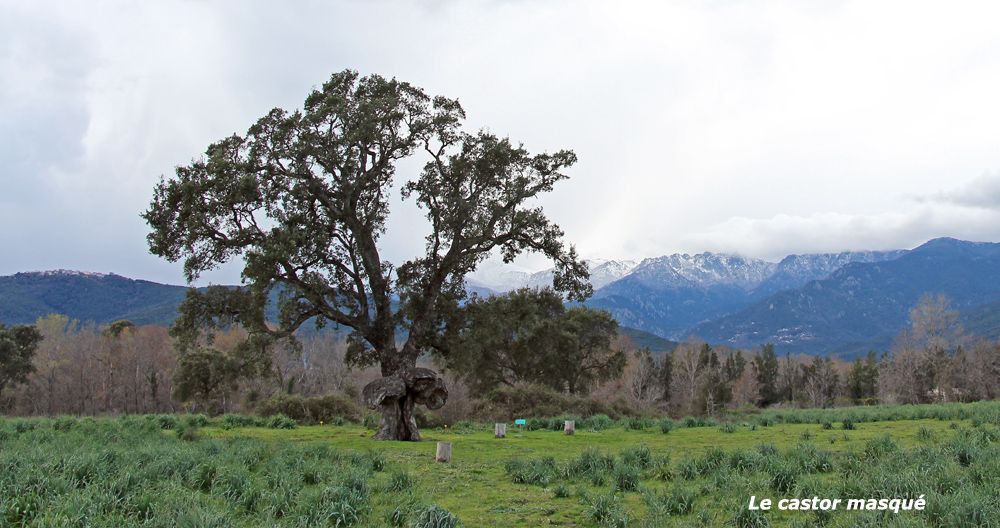
In the eastern plains of Corsica, near the town of Ghisonaccia, grows a cork oak whose silhouette looks less like a tree and more like a creature in motion. From the right angle, its trunk and crown resemble a bird just taking flight, wings fully spread. Known locally as Arburacellu, the Bird Tree is one of those rare natural forms that seem almost intentional — and yet remain unexplained.
A Discovery by Chance
The tree entered wider local awareness at the beginning of 2018, during an ordinary walk through the countryside. While searching for wild asparagus, a resident noticed the tree’s extraordinary shape and was immediately struck by it. What had long stood quietly in the landscape was suddenly seen anew. Soon after, the cork oak was put forward for recognition, beginning its journey from a hidden curiosity to a celebrated natural landmark.
A Natural Miracle in Cork
The Bird Tree is a cork oak (Quercus suber), estimated by the National Forestry Office to be between 200 and 230 years old. It reaches around 20–25 metres in height, with a trunk circumference of approximately 5 metres.
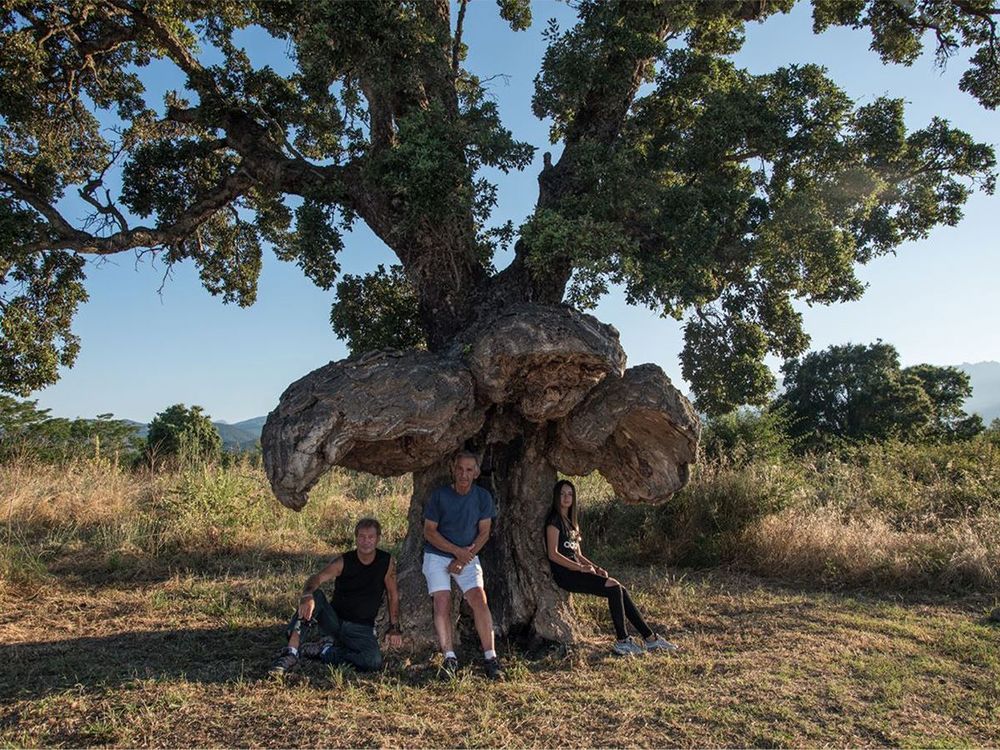
Its most distinctive features are the massive cork outgrowths that form the tree’s “wings”. Scientists believe these may have developed after a severe trauma. Two explanations are considered: a fire that burned out the heart of the tree, or a lightning strike. The second hypothesis is regarded as the more likely one. Unable to absorb excess sap after such an event, the tree would have responded by producing powerful new outgrowths.
What remains unexplained is the near-perfect symmetry of the bird-like wings. Their balance and harmony can be clearly recognised in the tree’s structure, yet no scientific explanation has fully accounted for how such symmetry emerged.
A Place with a Presence
Many visitors describe a strong and recurring feeling of protection when standing beneath the Bird Tree, as if sheltered by its vast wings. Just a few steps away, the sensation often seems to disappear, reinforcing the impression that the tree creates its own distinct space — both physical and emotional.
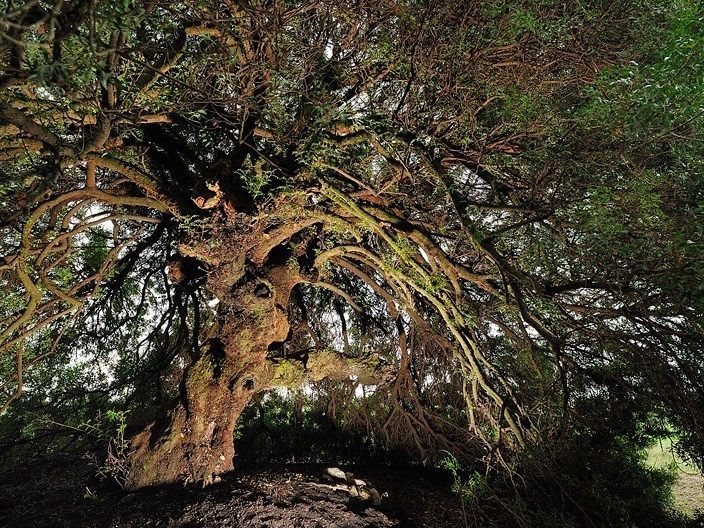
A little further from Arburacellu grows another notable tree: the Pistachio Tree of Ghisonaccia, which represented France in the European Tree of the Year 2012 competition. Together, these trees form a small but remarkable constellation of natural heritage in the Corsican landscape.
A Shape Recognised Across Europe
In 2019, the Bird Tree represented France in the European Tree of the Year competition, finishing 4th and capturing the imagination of voters across Europe. Today, Arburacellu stands as a reminder that some of nature’s most powerful stories are not planned or planted — they are discovered by chance, when time, landscape and attentive eyes briefly align.